
Rapid Recovery Joint Replacement in New Bern, NC
If joint pain, arthritis, or joint damage is limiting your ability to walk, exercise, work, or enjoy everyday activities, rapid recovery joint replacement in New Bern, NC may offer a streamlined approach to treatment and rehabilitation. Dr. Hoedt uses a comprehensive recovery program designed to support pain management, early mobility, and a gradual return to normal function following joint replacement surgery. Through personalized preoperative planning, modern surgical techniques, multimodal pain management, and coordinated rehabilitation, patients can receive the guidance and support needed throughout their recovery.
- New Bern
- Request An Appointment
What is Rapid Recovery Joint Replacement?

Rapid recovery joint replacement is an innovative program for patients undergoing joint replacement surgery that aims to minimize patients’ postoperative discomfort and pain and restore joint function in the quickest time possible.
The rapid recovery joint replacement technique functions by accelerating all aspects of a patient’s recovery process, including physiological, mental, and physical following a joint replacement surgery so as to elevate patient care to the highest level. The physical aspect of recovery involves restoring the patient’s level of strength, range of motion, and overall function. The mental aspect of recovery involves elimination of concerns, revival of self-confidence, and the state of feeling whole and balanced. The physiological aspect of recovery involves taking into account all the crucial body systems, such as respiratory, renal, and cardiovascular, and aim to avoid insult on it during your surgery.

The advanced rapid recovery program is a result of years of research by orthopedic surgeons and research staff as well as utilization of cutting-edge technology from evidence-based scientific studies from around the globe. This technique has led to the evolution of a multimodal approach for management of pain following joint replacement surgery and revolutionized the way that people recover from a joint replacement.
Advantages of Rapid Recovery Joint Replacement
Some of the benefits achieved with rapid recovery joint replacement technique include:
- Significant reduction in pain
- Shorter hospital stay
- Early mobilization and quicker rehabilitation
- Ability to walk within 4 to 5 hours of most knee and hip replacement surgeries
- Use of advanced pain management techniques
- Use of efficient and minimally invasive surgery techniques
- Postoperative planning and support
- Comprehensive preoperative assessment and coaching
- Discharge date is planned prior to the surgery
- Rehabilitation or home care is organized prior to your admission to the hospital
- Care providers are regularly in touch with you even after discharge, keeping track of your progress and recovery
- Physical therapy instructions are provided prior to the surgery to strengthen joints and help accelerate recovery after joint replacement
- Appointment of a personal coach to monitor all aspects of your recovery and decision making
- Preoperative session to eliminate anxiety associated with joint replacement
- Superior overall patient satisfaction
Anatomy of the Joint
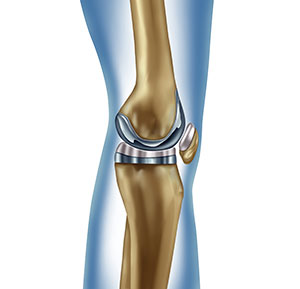
A joint is an articulation (junction) between 2 or more bones in the body. The two articulating bone surfaces are covered by smooth tissue called articular cartilage, a firm but flexible connective tissue that allows the bones to slide over each other smoothly and without friction, and also acts as a shock absorber during bone movement. The cartilage is lubricated with synovial fluid, a collection of thick liquid restricted within a joint space which further enables the smooth movement of the bones.
Indications for Rapid Recovery Joint Replacement
Some of the common indications of joint replacement surgery include the following:
- Treatment of arthritic conditions, such as osteoarthritis and rheumatoid arthritis of the joints
- Severe joint pain that limits your daily activities (such as walking, getting up from a chair, or climbing stairs)
- Moderate-to-severe pain that occurs during rest or awakens you at night
- Chronic joint inflammation and swelling that is not relieved with rest or medications
- Weakness and/or loss of joint motion
- Severe joint fracture or trauma
- Failure to obtain pain relief from medications, injections, physical therapy or other conservative treatments
Preparation for Rapid Recovery Joint Replacement
Preoperative preparation for rapid recovery joint replacement will involve the following steps:
- A thorough examination by your doctor is performed to check for any medical issues that need to be addressed prior to surgery.
- Depending on your medical history, social history, and age, you may need to undergo tests such as blood work and imaging to help detect any abnormalities that could threaten the safety of the procedure.
- You will be asked if you have allergies to medications, anesthesia, or latex.
- You should inform your doctor of any medications, vitamins, or supplements that you are taking.
- You should refrain from alcohol or tobacco at least 24 hours prior to surgery.
- Follow any individualized medication or fasting instructions provided.
- Arrange for someone to drive you home as you will not be able to drive yourself after surgery.
- A written consent will be obtained from you after the surgical procedure has been explained in detail.
Procedure for Rapid Recovery Joint Replacement
- Your procedure is performed under anesthesia to keep you comfortable throughout surgery. Depending on your procedure and individual needs, this may include spinal anesthesia combined with sedation.
- Dr. Hoedt uses modern, tissue-sparing surgical approaches when appropriate, with the goal of minimizing disruption to surrounding tissues and supporting your recovery.
- Damaged bone and cartilage are carefully removed, and the prepared joint surfaces receive precisely sized replacement components. Depending on the procedure and your individual needs, implants may be secured with bone cement, screws, or designed to allow your bone to grow directly onto the implant.
- After the replacement components are positioned, the new joint is carefully evaluated through its range of motion to assess movement, stability, alignment, and overall function.
- Throughout surgery, Dr. Hoedt and his surgical team follow established infection-prevention protocols, including thorough preparation and irrigation of the surgical site.
- Before completing the procedure, medication may be placed around the tissues surrounding the joint to provide targeted, longer-lasting pain relief during the early stages of recovery.
- Once the procedure is complete, the surrounding tissues are carefully restored and the incision is closed. Depending on the procedure, dissolvable sutures and a sterile, waterproof dressing may be used.
- Pain control begins during surgery and continues throughout your recovery. Dr. Hoedt uses a multimodal approach that combines different methods of pain relief to help manage discomfort while reducing reliance on opioid medications when possible

Dr. Chris Hoedt Orthopaedic Surgeon Hip & Knee Replacement Specialist
Dr. Hoedt specializes in hip and knee replacement and revisions (redos). His fellowship was in Adult Reconstruction at the University of Pennsylvania. He enjoys doing research and helps select articles for publication in some of the top adult reconstruction journals. Dr. Hoedt practiced in Nashville, TN for a couple of years before deploying with the US Army.
Postoperative Care and Recovery
In general, rapid recovery joint replacement will involve the following postoperative care instructions:
- You will be transferred to the recovery area to be monitored until you are awake from the anesthesia.
- Your nurse will monitor your blood oxygen level and other vital signs as you recover.
- You may experience some pain, swelling, and discomfort in the joint area. Pain and anti-inflammatory medications are provided as needed.
- Medications will also be prescribed as needed for symptoms associated with anesthesia, such as vomiting and nausea.
- Antibiotics are prescribed to address the risk of surgery-related infection.
- It is important to keep the surgical site clean and dry. Instructions on surgical site care and bathing will be provided.
- You will be placed on assistive devices such as a splint or crutches for walking for the first few weeks with instructions on restricted weight-bearing. You are encouraged to walk with assistance as frequently as possible to prevent blood clots.
- Refrain from smoking as it can negatively affect the healing process.
- Eating a healthy diet rich in vitamin D is strongly advised to promote healing and a faster recovery.
- Refrain from strenuous activities and lifting heavy weights for the first couple of months. Gradual increase in activities over a period of time is recommended.
- An individualized physical therapy protocol is designed to help strengthen your joint muscles and optimize joint function.
- You will be able to resume your normal activities in a couple of months; however, return to sports may take 4 to 6 months or longer.
- A periodic follow-up appointment will be scheduled to monitor your progress.
Risks and Complications
Rapid recovery joint replacement is a relatively safe procedure; however, as with any joint replacement surgery, possible risks and complications may occur, such as:
- Blood clots
- Infection
- Bleeding
- Injury to nerves and blood vessels
- Implant wear and loosening
- Pain and stiffness
- The need for revision surgery (to address a faulty or problematic prior implant)
Why Choose Dr. Hoedt for Rapid Recovery Joint Replacement in New Bern, NC?
Choosing an orthopedic surgeon who takes a comprehensive approach to recovery can make an important difference when preparing for joint replacement. Dr. Hoedt offers rapid recovery joint replacement in New Bern, NC, with an emphasis on personalized preparation, effective pain management, early mobilization, and coordinated postoperative rehabilitation.
Rapid recovery is not simply about leaving the hospital sooner. It involves preparing you before surgery, developing an individualized recovery plan, managing pain effectively, encouraging safe movement soon after surgery, and providing appropriate support throughout rehabilitation.
Dr. Hoedt evaluates your overall health, joint condition, activity level, medical history, and individual recovery needs when developing your treatment plan. Preoperative education and preparation can help you understand what to expect and plan for your recovery before surgery.
Following the procedure, rehabilitation and activity progression are tailored to your needs. Physical therapy can help restore strength, flexibility, range of motion, and joint function while follow-up care allows your progress to be monitored.
For patients in New Bern, NC, and surrounding communities, Dr. Hoedt is committed to providing comprehensive joint replacement care focused on pain relief, mobility, function, and a safe return to everyday activities.
Rapid Recovery Joint Replacement FAQs
What is rapid recovery joint replacement?
Rapid recovery joint replacement is a comprehensive approach to joint replacement that combines preoperative preparation, modern surgical techniques, multimodal pain management, early mobilization, and coordinated rehabilitation to support recovery following surgery.
How soon can I walk after rapid recovery joint replacement?
The timing of walking depends on your individual procedure, health, and recovery. Many appropriately selected hip and knee replacement patients may begin walking within hours of surgery with assistance and guidance from their care team.
Is rapid recovery joint replacement the same as outpatient joint replacement?
Not necessarily. Rapid recovery refers to the overall approach to preparing for and recovering from joint replacement. Some patients may undergo surgery as an outpatient, while others may require a short hospital stay depending on their health, procedure, and recovery progress.
What can I do to prepare for rapid recovery joint replacement?
Preparation may include improving your overall health, completing recommended medical evaluations, learning postoperative exercises, arranging transportation and home support, preparing your recovery area, and understanding your medication and rehabilitation plan.
How long does recovery take after joint replacement?
Recovery varies depending on the joint replaced, surgical approach, overall health, and individual progress. Physical therapy and gradually increasing activity are important parts of rehabilitation. Your care team will provide guidance on when you can safely return to specific activities.
Schedule a Rapid Recovery Joint Replacement Consultation in New Bern, NC
Don't let chronic joint pain continue to limit your mobility and quality of life. Dr. Hoedt provides rapid recovery joint replacement in New Bern, NC, using a comprehensive approach that supports patients before, during, and after joint replacement surgery.
Schedule a consultation with Dr. Hoedt in New Bern, NC to discuss your joint pain, treatment options, and whether a rapid recovery joint replacement program may be appropriate for you.
- New Bern
- Request An Appointment